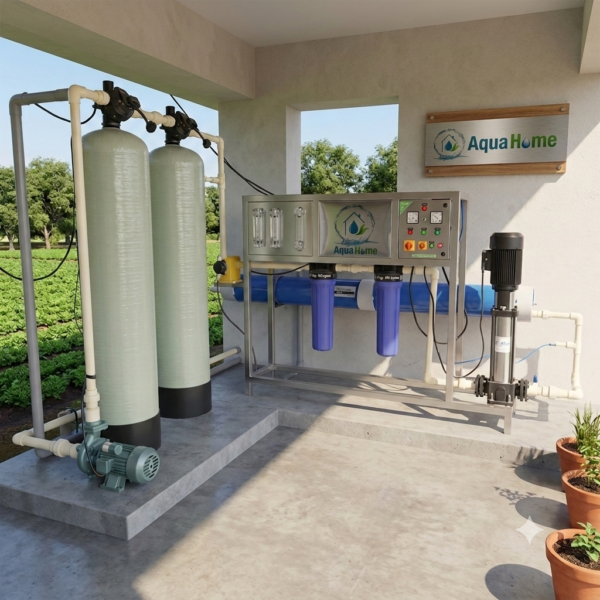
AH 2000 LPH RO PLANT ( MANUAL / SEMI AUTO / FULLY AUTO / CUSTOMISED)
• Manual Type
o Operation: Requires an operator to manually turn pumps on/off and open/close valves for flushing and backwashing.
o Pros: Lowest initial setup cost; simple mechanics mean easy local repairs.
o Cons: Relies heavily on human oversight; inconsistent flushing can reduce membrane life.
• Semi-Auto Type
o Operation: Features basic electronic controllers or push-button controls to automate certain cycles (like high-pressure pump cut-offs or auto-flushing), but requires manual triggers for filter backwash.
o Pros: Balanced cost and convenience; protects pumps from dry-running.
o Cons: Still needs regular manual attention for pre-treatment maintenance cycles.
• Fully Auto (PLC-Based)
o Operation: Controlled by a Programmable Logic Controller (PLC) with digital sensors that manage feed flow, tank levels, and timed backwashing of sand/carbon filters automatically.
o Pros: No constant manpower required; optimal membrane cleaning and maximum system longevity.
o Cons: Higher upfront investment and requires specialized technician support for troubleshooting.
• Customized Systems
o Operation: Tailored specifically to unusual feed water parameters (such as high TDS >2000 ppm, iron, or heavy hardness).
o Pros: Integrates specialized add-ons like water softeners, antiscalant dosing, UV sterilizers, or ozonators.
o Cons: Custom engineering increases overall cost and lead time.
If you'd like to narrow this down, please share:
• Your raw water TDS level and source (borewell or municipal)
• Your preferred automation level
We can help estimate power consumption or recommend specific configurations.
You may also like
AH 8000 LPH RO PLANT ( MANUAL / SEMI AUTO / FRP /SS / ISI / CUSTOMISED )
AH 5000 LPH RO PLANT ( MANUAL / SEMI AUTO / CUSTOMISED)
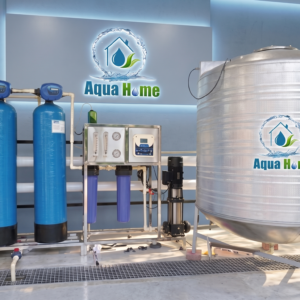
AH 1000 LPH RO PLANT ( MANUAL / SEMI AUTO / FULLY AUTO / CUSTOMISED)
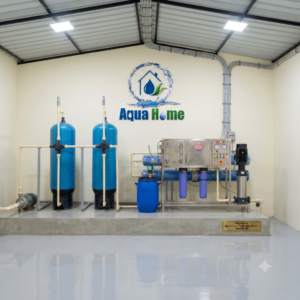
Reviews
There are no reviews yet.